



Sicherung von Maschinendaten in heißen Industrieumgebungen
Die präzise Erfassung von Vibrationen und Position ist grundlegend für die vorausschauende Wartung in der Industrieautomation. Umgebungstemperaturen über 120°C schaffen jedoch einen erheblichen Überwachungsblindpunkt. Standard-Sensorsysteme verschlechtern sich häufig oder versagen unter solchem thermischen Stress. Diese Datenlücke führt zu unerwarteten Maschinenausfällen, kostspieligen Stillstandszeiten und unterbrochenen Produktionsplänen. Daher wird eine spezialisierte Überwachungslösung für den Schutz kritischer Anlagen in hitzeintensiven Anwendungen unerlässlich.
Die Lücke bei der Hochtemperaturüberwachung in der Automatisierung
Moderne Steuerungssysteme wie SPS und DCS sind auf genaue Eingangsdaten zum Schutz von Anlagen angewiesen. In hoch erhitzten Bereichen in der Nähe von Turbinen, Kompressoren oder großen Motoren wird dieser Datenstrom jedoch gestört. Konventionelle Näherungssonden und Kabel sind nicht für anhaltende extreme Hitze ausgelegt. Folglich verlieren Wartungsteams genau dort die Übersicht über den Maschinenzustand, wo sie am wichtigsten ist, was einen reaktiven Ansatz erzwingt und das Betriebsrisiko erhöht.
Entwicklung einer robusten Lösung für thermische Herausforderungen
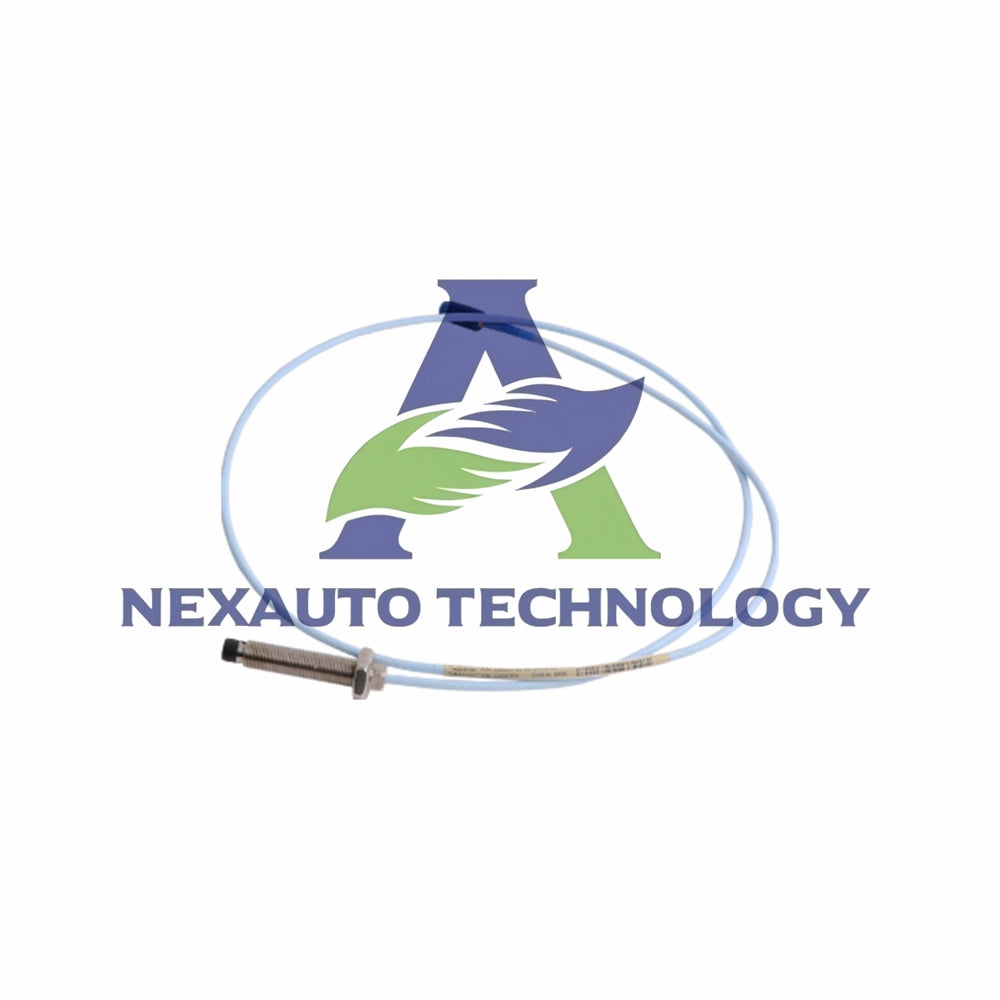
Das Bently Nevada 3300 XL Hochtemperatursystem adressiert diese Schwachstelle direkt. Es ist speziell dafür ausgelegt, zuverlässige Messleistungen bei Umgebungstemperaturen bis zu 125°C (257°F) zu liefern. Zu den wichtigsten Konstruktionsmerkmalen gehören fortschrittliche Sondenisolierung und thermisch widerstandsfähige Verkabelung. Dadurch liefert es die stabilen, kontinuierlichen Signale, die moderne Fabrikautomationsnetzwerke für fundierte Entscheidungen benötigen.

Technische Vorteile für die Integration in Steuerungssysteme
Dieses System erzeugt wichtige Maschinenparameter: Wellenvibration, Axialposition und Drehzahl. Sein Hauptvorteil liegt in der Aufrechterhaltung der Signalqualität dort, wo andere Sensoren versagen. Darüber hinaus gewährleisten die standardmäßigen analogen Ausgänge eine nahtlose Kompatibilität mit Steuerungsplattformen von Herstellern wie Emerson, Siemens und Rockwell Automation. Dies vereinfacht die Integration in bestehende Anlagenarchitekturen und macht es zu einer zuverlässigen Datenquelle für Asset-Health-Algorithmen.
Praxisbeispiel: Schutz von Gasturbinen
Eine GuD-Kraftwerksanlage erlebte wiederholte Ausfälle von Lagerüberwachungen an einer Gasturbine. Die Gehäusetemperaturen der Lager erreichten regelmäßig 130 °C, was über der Grenze standardmäßiger Sensoren lag. Nach der Installation des Hochtemperatur-Überwachungssystems sammelten die Ingenieure 22 Monate lang ununterbrochene Daten. Die Schwingungsanalyse erkannte einen zunehmenden Unwuchttrend. Diese Frühwarnung ermöglichte eine geplante Abschaltung und verhinderte einen katastrophalen Ausfall, dessen Reparatur- und Ausfallkosten auf über 500.000 $ geschätzt wurden.
Fallstudie: Zuverlässigkeit von Kompressoren in der Petrochemie
Ein Hochdruckkompressor in einer Polyethylenanlage, dessen Gehäusetemperaturen etwa 115 °C betrugen, erforderte alle 3-4 Monate einen Sondentausch. Der Wechsel zum Hochtemperatursystem veränderte das Ergebnis drastisch. Das System arbeitete über 24 Monate zuverlässig ohne Ausfall. Diese verlässliche Datenversorgung ermöglichte eine echte vorausschauende Wartungsstrategie, die zu einer geschätzten Steigerung der Gesamtanlageneffektivität (OEE) um 8 % beitrug, indem ungeplante Stillstände eliminiert wurden.
Weiteres Szenario: Überwachung von Gebläsen in Zementwerken
In einer Zementproduktionslinie verfügte ein kritischer Induktionszuggebläse, das bei 140 °C arbeitete, über keine effektive Schwingungsüberwachung. Die Installation von Hochtemperatursensoren lieferte die erste genaue Datenbasis. Innerhalb von sechs Monaten zeigten die Daten Symptome von Lagerverschleiß. Das Werk plante einen Austausch während eines routinemäßigen Ofenstopps und vermied so einen unerwarteten Ausfall des Gebläses, der die Produktion für 72 Stunden hätte stoppen können, wodurch geschätzte 180.000 $ an entgangenem Umsatz eingespart wurden.
Expertenkommentar: Der Wandel zum intelligenten Anlagenmanagement
Die Branche vollzieht den Übergang von einfacher Überwachung zu integriertem, datengetriebenem Gesundheitsmanagement. Wie Analysten bei NexAuto Technology Limited feststellen, bildet spezialisierte Hardware wie der 3300 XL HT die Grundlage für diesen Wandel. Sie verwandelt unzugängliche Maschinendaten in umsetzbare Erkenntnisse für Steuerungssysteme. Wir erwarten, dass diese robusten Datenströme zunehmend cloudbasierte Analysen und KI-Modelle speisen und sich so in Richtung halbautonomer Wartungsplanung bewegen.
Wichtige Umsetzungsempfehlungen für den Erfolg
Eine korrekte Installation ist entscheidend für optimale Leistung. Kalibrieren Sie immer den Anfangsabstand der Sonde gemäß den Spezifikationen. Verlegen Sie Kabel sicher fern von direkter Strahlungswärme und heißen Oberflächen. Überprüfen Sie außerdem, ob der Ausgangssignalbereich mit den Anforderungen der Eingabekarte Ihres Steuerungssystems übereinstimmt. Am wichtigsten ist, diese hochpräzisen Daten in eine Zustandsüberwachungssoftware zu integrieren, um deren Wert für Predictive Analytics und Wartungsplanung voll auszuschöpfen.

Häufig gestellte Fragen zur Hochtemperaturüberwachung
Q1: Warum ist ein Hochtemperatur-Schwingungsüberwachungssystem notwendig?
A1: Standard-Sensoren liefern oberhalb von 120 °C unzuverlässige Daten oder fallen schnell aus. Ein spezielles Hochtemperatursystem gewährleistet Genauigkeit und Langlebigkeit und schließt eine kritische Datenlücke in Ihrem Predictive-Maintenance-Programm.
Q2: Ist dieses System mit der vorhandenen Allen-Bradley- oder Siemens-SPS meiner Anlage kompatibel?
A2: Ja. Es liefert standardisierte Industriesignale (4-20 mA, -10 bis -2 Vdc), die direkt an analoge Eingabemodule aller gängigen SPS- und DCS-Systeme angeschlossen werden können, einschließlich Siemens, Allen-Bradley und Honeywell.
Q3: Wie verändert zuverlässige Hochtemperatur-Daten die Wartungsstrategien?
A3: Es ermöglicht den Wechsel von reaktiven Reparaturen zu proaktiver Planung. Mit genauen Trenddaten können Sie sich entwickelnde Fehler wie Unwucht oder Lagerverschleiß Wochen im Voraus erkennen und Eingriffe während geplanter Stillstandszeiten einplanen.
Q4: Welche Industriezweige profitieren am meisten von dieser Technologie?
A4: Es ist entscheidend in Branchen mit heißer Maschinentechnik: Energieerzeugung (Turbinen), Öl & Gas (Kompressoren, Pumpen), Chemische Verarbeitung (Reaktoren), Zement (Drehöfen, Ventilatoren) und Metallproduktion.
Q5: Wie lange ist die erwartete Lebensdauer bei einer Installation mit hoher Temperatur?
A5: Bei korrekter Installation ist das System für einen verlängerten Einsatz ausgelegt. Es ist üblich, mehrere Jahre zuverlässigen Betrieb zu erreichen, was Standard-Sensoren, die unter harten Bedingungen oft nur Monate halten, deutlich übertrifft.
Partner: AutoNex Controls Limited
© 2026 NexAuto Technology Limited. Alle Rechte vorbehalten.
Originalquelle: https://www.nex-auto.com/
Kontakt: sales@nex-auto.com | +86 153 9242 9628

