


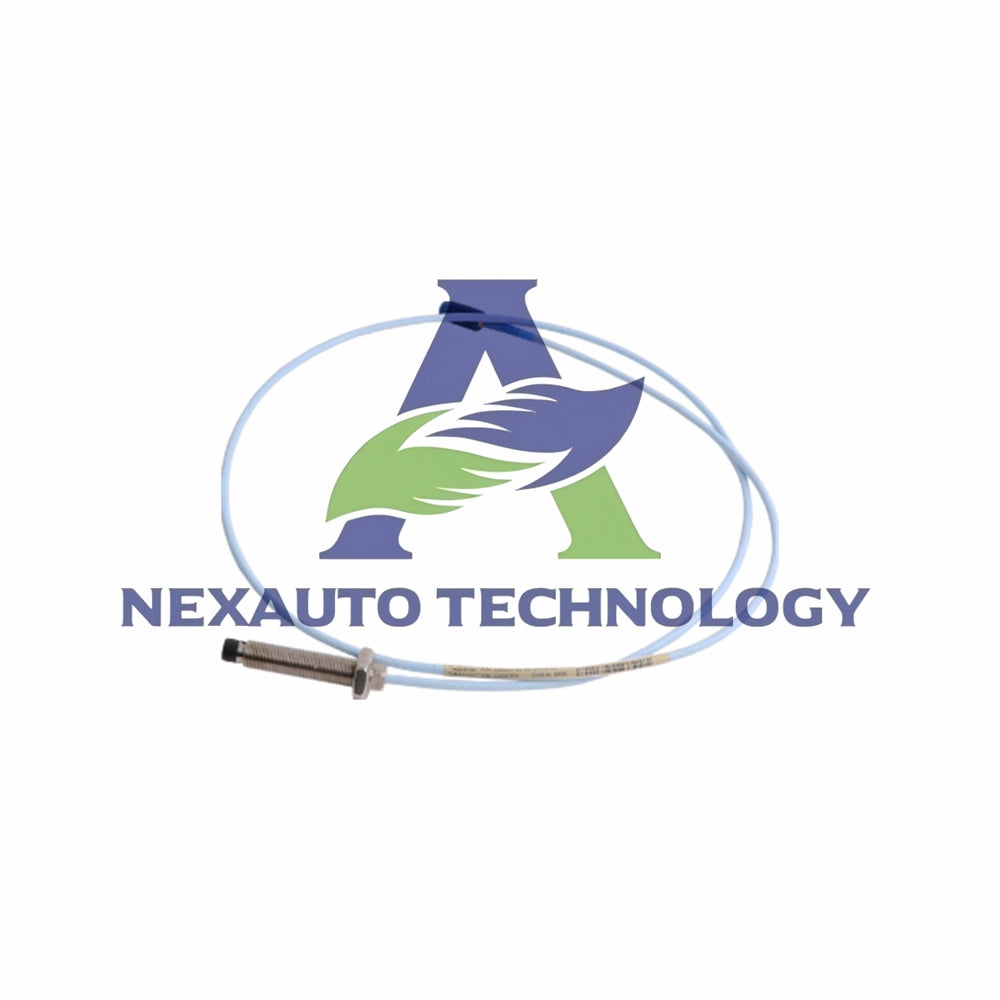

Kritikus gépek védelme a Bently Nevada 177230 szeizmikus jeladóval
Az ipari automatizálás világában a tervezetlen leállás a termelékenység ellensége. A nagy értékű eszközök katasztrofális meghibásodástól való védelme nem csupán bevált gyakorlat, hanem üzleti követelmény. A Bently Nevada 177230 szeizmikus jeladó az első védelmi vonalat képviseli, erős, folyamatos felügyeletet biztosítva a létfontosságú gépek számára.
Mi az a szeizmikus rezgésjeladó?
Ellentétben a tengelyrezgést mérő közelségérzékelőkkel, egy szeizmikus jeladó a gép burkolatának vagy támogató szerkezetének abszolút rezgését figyeli. A Bently Nevada 177230 egy masszív transzducer, amely kifejezetten erre a célra készült. Integrálja a sebesség- és gyorsulásjeleket, hogy pontos, ipari szabvány szerinti 4-20 mA kimenetet biztosítson. Ez a jel a PLC és DCS irányítási rendszerek életfonala, lehetővé téve a valós idejű állapotfelmérést.
Alapvető technológia a megbízható adatokért
Az eszköz belsőleg feldolgozza a bonyolult rezgésadatokat. A nyers gyorsulás- és sebességméréseket stabil, lineáris áramjellé alakítja. Ez a zökkenőmentes átalakítás kritikus a pontos adatértelmezéshez. Az üzemmérnökök így megbízhatnak az olvasatokban, hogy megalapozott döntéseket hozzanak a gép állapotáról és működési helyzetéről.
Fő alkalmazási területek a nehéziparban
Ez a jeladó a legigényesebb környezetekben találja meg helyét. Elengedhetetlen a turbinák és nagy ventilátorok felügyeletéhez az energiatermelésben. Továbbá védi a kritikus kompresszorokat és szivattyúkat az olaj- és gázipari alkalmazásokban. Bármely nagy forgó berendezés, amely jelentős burkolati rezgéssel rendelkezik, ideális jelölt erre a technológiára.
Egy gyakorlati alkalmazási példa
Vegyünk például egy centrifugális kompresszort egy földgáz-támogató állomáson. Két Bently Nevada 177230 jeladót szereltek fel a kompresszor kilépő oldali csapágyházára. Az irányítási rendszer riasztását 6,0 mm/s RMS-re állították be, a leállítási pont pedig 8,5 mm/s RMS-re, hogy megakadályozzák a károsodást.
Egy rutinszerű ellenőrzés során az üzemeltetők észrevették, hogy a rezgés trendje két hét alatt folyamatosan nőtt, az alapértékről 2,5 mm/s-ről 5,8 mm/s-re. Ez a korai figyelmeztetés, amelyet a jeladó megbízható adatai biztosítottak, lehetővé tette a karbantartó csapat számára, hogy a tervezett leállás alatt kivizsgálja a problémát. Egy kialakuló kiegyensúlyozatlanságot fedeztek fel, amelyet szennyeződés okozott. Az egységet megtisztították és újrakiegyensúlyozták, megelőzve egy kényszerleállást, amely több mint 150 000 dollárnyi termeléskiesést eredményezhetett volna. A 177230 kulcsfontosságú adatokat szolgáltatott, amelyek lehetővé tették a reaktív karbantartásról az előrejelző karbantartásra való áttérést.
Zökkenőmentes integráció az irányítási rendszerekkel
Az integráció egyszerű. A 4-20 mA kimenet közvetlenül csatlakoztatható a legtöbb PLC, DCS és SCADA architektúrához. Ez az univerzális kompatibilitás megkönnyíti a meglévő gyári automatizálási hálózatok frissítését. Ennek eredményeként a vállalatok javíthatják eszközvédelmi stratégiájukat anélkül, hogy teljes rendszerátalakítást kellene végezniük.
A szerző meglátása: Az okosabb védelem felé tartó trend
Az ipari szektor túlhalad az egyszerű riasztásfigyelésen. Egy olyan eszköz, mint a 177230 valódi értéke akkor mutatkozik meg, amikor az adatai nagyobb elemző platformokba táplálódnak. Véleményem szerint egy olyan átalakulást látunk, ahol ez az alapvető rezgésadat az AI modellek hibajóslására való betanítására szolgál. Míg a vezeték nélküli érzékelők egyre nagyobb figyelmet kapnak, a megbízható, vezetékes 4-20 mA hurkú megoldás egy olyan megbízható szolgáltatótól, mint a Bently Nevada, továbbra is az arany standard a kritikus gépek védelmében. A hangsúly azon van, hogy ezt a magas integritású adatot okosabb, megalapozottabb üzemeltetési döntésekhez használjuk fel.

Gyakran Ismételt Kérdések
Mi a Bently Nevada 177230 fő célja?
Elsődleges feladata a gépházak és szerkezetek abszolút rezgésének folyamatos mérése és figyelése a katasztrofális meghibásodás megelőzése érdekében.
Hol szokták ezt a rezgésadót általában telepíteni?
Általában turbinákon, kompresszorokon, nagy szivattyúkon és ventilátorokon használják olyan iparágakban, mint az energiatermelés, olaj- és gázipar, valamint vízkezelés.
Hogyan csatlakozik a kimenete a vezérlőrendszerünkhöz?
Szabványos kétvezetékes 4-20 mA analóg kimenetet biztosít, amely univerzálisan kompatibilis a legtöbb PLC és DCS vezérlőrendszer analóg bemeneti kártyájával.
Mi a fő különbség a szeizmikus és a közelségérzékelő között?
A szeizmikus adó (például a 177230) a burkolat rezgését méri. Egy közelségérzékelő a tengely viszonylagos mozgását méri a csapágyban.
Miért fontos ez az eszköz egy prediktív karbantartási programban?
Korai figyelmeztetést nyújt mechanikai problémákra, mint például kiegyensúlyozatlanság, tengelyeltérés vagy csapágykopás, lehetővé téve a karbantartás előzetes ütemezését és a költséges, tervezetlen leállások elkerülését.
Az alábbi népszerű termékekről további információkat talál a Nex-Auto Technology. weboldalon.
| Modell | Cím | Link |
|---|---|---|
| 177230-01-02-05 | Bently Nevada 177230-01-02-05 Szeizmikus Adó | Tudjon meg többet |
| 177230-02-01-05 | Bently Nevada 177230-02-01-05 Szeizmikus Adó | Tudjon meg többet |
| 177230-02-01-CN | Bently Nevada 177230-02-01-CN Szeizmikus Adó | Tudjon meg többet |
| 177230-00-01-CN | Bently Nevada 177230-00-01-CN Szeizmikus Adó | Tudjon meg többet |
| 177230-01-01-05 | Bently Nevada 177230-01-01-05 Szeizmikus Adó | Tudjon meg többet |
| 177230-01-01-CN | Bently Nevada 177230-01-01-CN Szeizmikus Adó | Tudjon meg többet |
| 177230-02-02-05 | Bently Nevada 177230-02-02-05 Szeizmikus Adó | Tudjon meg többet |
| 177230-00-01-05 | Bently Nevada 177230-00-01-05 Szeizmikus Adó | Tudjon meg többet |

